

Binocular Vision Dysfunction Testing in Charlotte: What to Expect at Your Appointment

Binocular Vision Dysfunction Testing in Charlotte: What to Expect at Your Appointment

Binocular Vision Dysfunction Testing in Charlotte: What to Expect at Your Appointment

Binocular Vision Dysfunction Testing in Charlotte: What to Expect at Your Appointment

Binocular Vision Dysfunction Testing in Charlotte: What to Expect at Your Appointment
Binocular vision dysfunction, often called BVD, happens when the eyes do not work together as comfortably or accurately as they should. Even a small misalignment can make the visual system work harder, leading to symptoms that may affect reading, driving, screen use, balance, and daily comfort.
For patients in Charlotte, binocular vision dysfunction testing can help identify whether eye teaming issues are contributing to headaches, eye strain, dizziness, or difficulty focusing. Because BVD symptoms can overlap with other conditions, a detailed eye exam is important for finding the right cause and treatment plan.
Common Signs That May Lead To BVD Testing
Many people with BVD do not realize their symptoms are connected to their vision. They may have tried new glasses, taken breaks from screens, or managed headaches without getting lasting relief. Testing can be helpful when symptoms keep returning or seem worse with visual tasks.
Common signs of binocular vision dysfunction may include:
• Frequent headaches or eye strain
• Dizziness, motion sensitivity, or balance issues
• Blurry or double vision
• Trouble focusing while reading or using screens
• Neck discomfort related to visual strain
• Difficulty driving, especially at night
• Feeling overwhelmed in busy visual environments
Why Standard Vision Testing May Not Be Enough
A routine eye exam can confirm whether you need glasses or contact lenses, but BVD testing looks more closely at how the eyes function as a team. Some patients can see 20/20 and still experience significant discomfort because their eyes are not coordinating properly.
That is why it is important to explain all symptoms during your visit, even if they do not seem directly related to your eyes. Headaches, dizziness, reading fatigue, and sensitivity in visually busy spaces can all provide helpful clues.
What Happens During Your Appointment
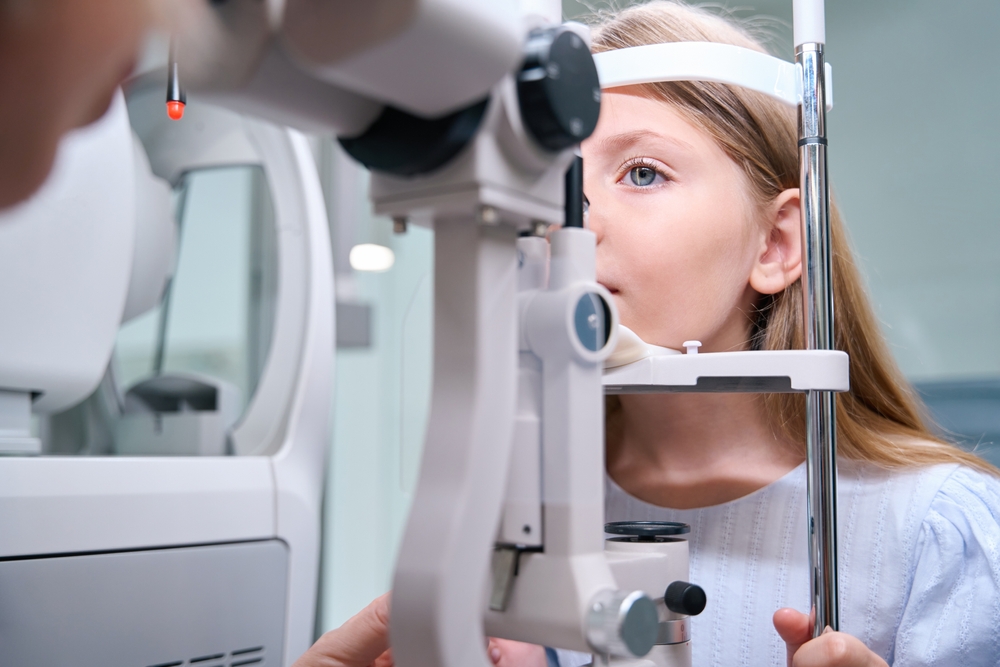
During a binocular vision dysfunction evaluation, we take time to understand your symptoms, medical history, and daily visual demands. This may include questions about when symptoms started, what makes them better or worse, and how they affect activities like work, school, reading, or driving around Charlotte.
The exam may include standard vision testing, eye health evaluation, and specific tests that measure how well your eyes focus, align, and work together. These tests help us determine whether your eyes are compensating for a misalignment or struggling to maintain clear, comfortable vision.
What To Expect After Testing
After testing, we will review the findings and explain whether binocular vision dysfunction may be contributing to your symptoms. If treatment is recommended, your plan may include specialized lenses, prism correction, vision therapy recommendations, or other steps based on your needs.
The goal is to improve visual comfort, reduce strain, and help your eyes work together more efficiently. Every patient is different, so treatment is personalized to your symptoms, exam results, and lifestyle.
Schedule BVD Testing In Charlotte
If headaches, dizziness, eye strain, or focusing problems are affecting your daily life, binocular vision dysfunction testing may help uncover the cause. Schedule an appointment with Blink Eyecare & Eyewear in Charlotte, NC, by calling (704) 817-3800 today.


Quick Contact Form
Office Hours
- Monday 8:30 AM - 5:00 PM
- Tuesday 8:30 AM - 5:00 PM
- Wednesday 9:30 AM - 5:00 PM
- Thursday 8:30 AM - 5:00 PM
- Friday 8:30 AM - 5:00 PM
- Saturday Closed
- Sunday Closed
- Closed Everyday 12 PM - 1PM
© 2026 Blink Eyecare and Eyewear. All rights Reserved. Accessibility Statement - Privacy Policy - Sitemap
Powered by:

