

Why Rubbing Your Eyes Makes Allergy Symptoms Worse

Why Rubbing Your Eyes Makes Allergy Symptoms Worse

Why Rubbing Your Eyes Makes Allergy Symptoms Worse

Why Rubbing Your Eyes Makes Allergy Symptoms Worse

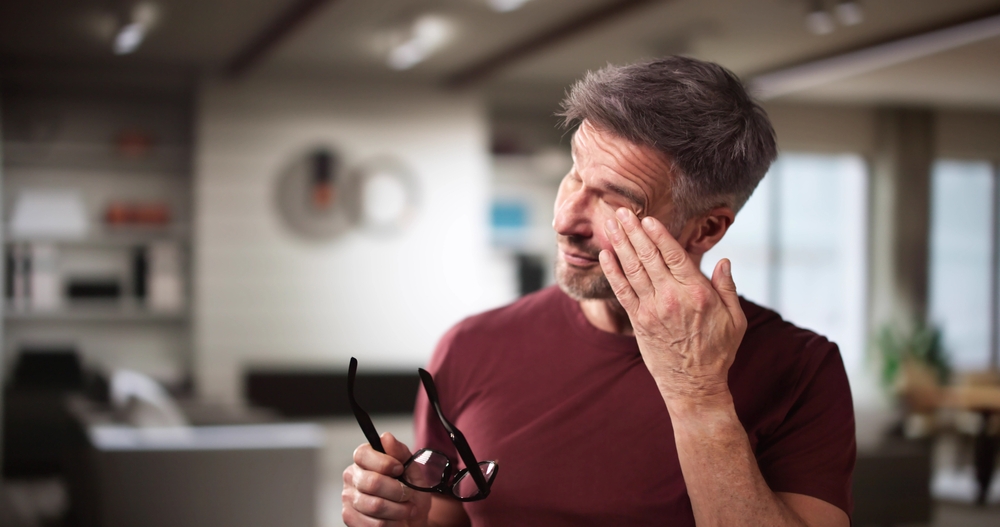
Spring allergies in Charlotte can be tough on your eyes. As pollen levels rise, many people deal with itching, redness, tearing, and irritation that can make it hard to get through the day comfortably. When your eyes feel itchy, rubbing them may seem like the fastest way to get relief - but it often makes allergy symptoms worse.
Why Spring Allergies Affect Your Eyes
During allergy season, your eyes react to allergens like pollen by releasing histamines. This causes inflammation and leads to common symptoms such as itching, burning, watery eyes, redness, and swollen eyelids. In Charlotte, spring pollen can be especially frustrating because symptoms may linger for weeks and flare up whenever you spend more time outdoors.
Why Eye Rubbing Can Be Harmful
Rubbing your eyes puts extra stress on already inflamed tissue. The friction can trigger more irritation, increase redness, and make swelling more noticeable. It can also cause your eyes to release even more histamines, which means the itching may come back stronger instead of improving.
Frequent rubbing may also affect the surface of your eyes over time. If your eyes are already sensitive from allergies, this added irritation can leave them feeling even more uncomfortable.
Common Symptoms to Watch For
Eye allergies do not always look the same from person to person, but some of the most common symptoms include:
• Itchy eyes
• Red or bloodshot eyes
• Excessive tearing
• Burning or stinging
• Puffy eyelids
• Light sensitivity
• Blurred vision from tearing or irritation
If these symptoms keep coming back during spring in Charlotte, allergies may be playing a bigger role than you think.
Better Ways to Find Relief
Instead of rubbing your eyes, try using a cold compress to calm irritation. You can also rinse allergens away with preservative-free artificial tears and avoid touching your eyes throughout the day. Sunglasses outdoors may help limit pollen exposure, and keeping windows closed during high pollen days can also make a difference. These steps may help reduce discomfort, but they do not always address the full cause of your symptoms.
When It Is Time to See Your Eye Doctor
If your symptoms are ongoing, getting a thorough evaluation is important. Eye irritation is not always caused by seasonal allergies alone. Dry eye, contact lens issues, eyelid inflammation, and other underlying causes can create similar symptoms or make allergies feel worse.
A proper exam helps identify what is really happening so treatment can be more targeted. That may include allergy-focused eye drops, recommendations for managing environmental triggers, or care for another condition contributing to your discomfort.
Targeted Care for Lasting Comfort
The right treatment plan should be based on the cause of your symptoms, not just the symptoms themselves. If spring allergies in Charlotte are making your eyes miserable, it is worth finding out whether allergies are the only issue or part of a larger problem. With the right approach, you can protect your eyes, reduce irritation, and feel more comfortable throughout the season.
If you’re dealing with eye allergy symptoms, schedule an eye exam at Blink Eyecare and Eyewear to learn more about your treatment options. Visit our office in Charlotte, North Carolina, or call (704) 817-3800 to book an appointment today.



Quick Contact Form
Office Hours
- Monday 8:30 AM - 5:00 PM
- Tuesday 8:30 AM - 5:00 PM
- Wednesday 9:30 AM - 5:00 PM
- Thursday 8:30 AM - 5:00 PM
- Friday 8:30 AM - 5:00 PM
- Saturday Closed
- Sunday Closed
- Closed Everyday 12 PM - 1PM
© 2026 Blink Eyecare and Eyewear. All rights Reserved. Accessibility Statement - Privacy Policy - Sitemap
Powered by:

